






Wildebeest Guides

End-of-Summer Routine Reset for Your Dog
As summer winds down, the rhythm of home starts to change. Mornings get earlier. Calendars fill up. School drop-offs, commutes, and packed workdays return.
For dogs, those small changes can feel big. After a season of later wake-ups, more people around, and spontaneous daytime adventures, a suddenly quieter house can take some getting used to.
The good news: you do not need to overhaul your dog’s life to help them settle into a new season. A few predictable rituals can make the transition feel steadier—for them and for you.
Start the shift gradually
If your household schedule is about to change, begin easing into it before the first truly busy week.
Try moving breakfast, walks, and departure times a little closer to your fall routine over several days. If your dog will be spending more time home alone, practice short periods of independence while you are still nearby: step out for coffee, run an errand, or spend time in another room.
For dogs who already see their crate as a comfortable, positive place to rest, it can also be a helpful part of that transition. A crate is not the right fit for every dog or every household, but it can offer some dogs a familiar, quiet space while the home is empty or extra busy. If you are new to crate training—or looking to make the crate feel more like a retreat than a requirement—our Guide to Crate Training can help you get started.
The goal is not to make every day identical. It is simply to give your dog a few familiar touchpoints they can count on, even when the house feels different.
Make mornings simple & consistent
Busy mornings are rarely the moment for a long adventure, but they can still include connection.
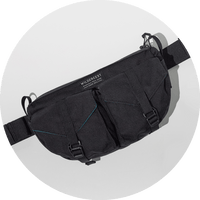
A quick loop around the block, time to sniff a favorite patch of grass, or a few minutes of low-key play can help your dog start the day with attention and movement before things get hectic. Keeping your walk essentials in one place—leash, bags, treats, keys—can make that small ritual easier to protect when everyone is rushing out the door.
Think of it less as adding another task to the morning and more as creating a reliable “we’re in this together” moment before the day begins.
Of course, not every dog is adjusting to an empty house. If you work from home, a predictable morning walk can help draw a gentle line between home time and work time—before meetings, deliveries, and screen time take over. And for dogs lucky enough to join their person at the office, a calm walk before heading in can help them arrive settled and ready for their own version of the workday.
Let the evening walk be an anchor
At the end of a full day, the evening walk can become one of the most grounding parts of your dog’s routine.
Late-summer evenings are often a little cooler and quieter, offering a welcome chance to slow down after school, work, and everything in between. Rather than treating the walk as the final item on a long to-do list, try making room for your dog to set the pace sometimes. Take the longer route. Pause for the interesting smells. Let the walk be a reset for both of you.
For some dogs, that predictable after-work or after-dinner outing can be especially comforting: their people are home, the day is winding down, and their favorite routine is still right where they left it.
On weekends, when the calendar leaves a little more room to breathe, consider making space for a longer shared ritual, too. Maybe that means an early trip to the beach, a slow neighborhood coffee walk, an outing to a dog-friendly park, or time with a few well-matched dog friends. It does not need to be an elaborate adventure—just a chance to trade the weekday rush for time together, at your dog’s pace.
Create a calmer homecoming
How you return home matters, too.
A big reunion may feel exciting, but a calm greeting can help make arrivals and departures feel more ordinary. Put your things down, say hello, head outside for a walk or offer a little one-on-one attention. Over time, your dog learns that the day may change, but you always come back—and there is usually something good waiting on the other side.
Keep the rituals that matter
The back-to-school season does not have to mean less connection with your dog. It may just look a little different than it did in July.
A consistent morning hello. A favorite treat before you leave. An unhurried evening walk around the neighborhood. A weekend outing with nowhere to be afterward. These small rituals add up, giving dogs a sense of comfort while the world around them gets busier.
Here’s to a gentler transition into fall—and to taking the long way home whenever you can.
Make the everyday walk easier
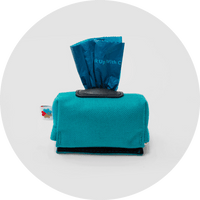
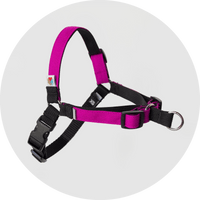
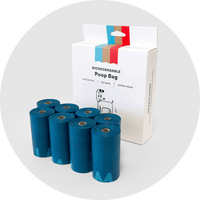
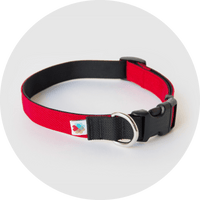
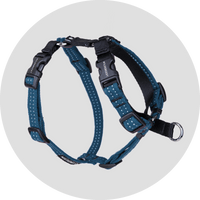
A good routine starts with the things you reach for every day. Keep your dog walking essentials - Collar or Harness, Leash, Poop Bags - close at hand, stock the Treat Pouch with pup's favorite snacks and make it simple to head out the door for those small, steady moments together.

Spring & Summer Grooming Tips for Dogs
Longer days, sunny trails, muddy paws, and a whole lot of shedding — spring and summer bring plenty of fun, but they also bring a little extra maintenance for dog parents. A simple grooming routine can help your dog stay comfortable through seasonal coat changes, outdoor messes, and warmer weather.
At Wildebeest, we know the best gear makes everyday life with dogs easier. The right brush, a reliable harness, a sturdy leash, and a handy treat pouch can turn grooming and cleanup into just another smooth part of your routine.
Why seasonal grooming matters
When temperatures rise, many dogs shed more heavily and spend more time collecting dirt, pollen, grass, and burrs on outdoor adventures. If that loose fur and debris stays put, it can lead to tangles, mats, irritated skin, and general discomfort.
Regular grooming is one of the simplest ways to help your dog feel better all season long. It also gives you a chance to check paws, ears, and skin for anything that needs attention before it becomes a bigger issue.
Your warm-weather grooming routine
Brush often, especially during shedding season. Frequent brushing helps remove loose hair before it ends up on your couch, your clothes, or tangled in your dog’s coat. Three to four times a week for 5 to 10 minutes can help soften your dog’s coat and reduce the amount of hair that is shed.
Baths should be helpful, not excessive. After a muddy park day or a sandy beach adventure, a bath can be a lifesaver. Use a gentle dog shampoo and rinse thoroughly, but don’t overdo it — too many baths can dry out the skin.
Pay attention to paws. Warm pavement, grass seeds, burrs, and all the random debris of outdoor life can make paw care especially important in spring and summer. Wipe paws after walks, check between the toes, and trim excess fur around the pads if needed.
Keep nails and ears on your radar. Active dogs still need nail trims, especially if they’re spending time on softer ground instead of hard pavement. Ears should be checked regularly too, particularly in dogs with floppy ears or those who love swimming.
Easy DIY grooming support
You don’t need a full grooming salon at home to take good care of your dog. A few simple DIY habits can make a big difference.
Try a soothing oatmeal bath for itchy skin. Finely ground oats mixed with lukewarm water can help calm dry or irritated skin after allergy-heavy outdoor days.
Make paw cleanup part of your post-walk routine. A quick rinse or wipe-down after hikes, park runs, or backyard play helps remove dirt and pollen before it gets ground into the coat or paws.
Trim nails in tiny increments. Veterinary grooming advice recommends trimming only the tip at a time and keeping styptic powder nearby in case you nick the quick.
Use a pet-safe paw balm for dry pads. Hot surfaces, rough terrain, and lots of activity can leave paw pads feeling rough. A little balm can help keep them comfortable and protected.
Keep grooming positive. Treats, praise, and calm handling help dogs learn that grooming is safe and predictable, which makes future sessions easier.
Tools that make grooming easier
A good brush that’s appropriate for your pup’s coat. For short-haired dogs, a grooming mitt or rubber brush works well. For medium- and long-haired dogs, a slicker brush and comb can help keep the coat smooth and healthy.
A good bath setup usually includes gentle pet-safe shampoo, a towel that absorbs moisture well, and a non-slip mat for the tub or shower. A handheld shower head or hose attachment can make rinsing easier.
Drying after a bath is often overlooked, but it matters. Microfiber towels are great for soaking up water fast, while a pet-specific dryer that doesn’t get too hot can speed things up.
For nail care, dog parents can use clippers and/or grinders. Clippers are fast and simple, while grinders give more control and help smooth the edges after trimming.
A well-fitted harness and dependable leash make it easier to handle your pup during bath time, post-walk cleanups, and quick in-and-out transitions. And because treats go a long way, keep pup’s favorite rewards close at hand for calm, cooperative grooming.
DIY grooming mistakes to avoid
Don’t rush through brushing or bathing.
Don’t use human shampoo on dogs.
Don’t trim nails too aggressively.
Don’t force grooming if your dog is stressed or panicked.
When to bring in a professional
Some dogs need extra support, especially those with thick coats, heavy shedding, mats, or skin that’s easily irritated. A professional groomer can help with coat maintenance and de-shedding, while a veterinarian can check out skin, ear, or paw issues that don’t seem to improve.
If something looks red, smelly, painful, or unusually flaky, it’s worth paying attention. Grooming should support your dog’s comfort, not cause more stress.
A simple seasonal checklist
Brush your dog regularly to manage shedding.
Bathe after especially messy outdoor adventures.
Wipe paws clean after walks and hikes.
Trim nails before they get too long.
Check ears for moisture, odor, or redness.
Keep a brush, towel, shampoo, and treats ready.
Use gear that make handling easier during grooming sessions & cleanup.
Spring and summer should feel easy, active, and fun — for you and your dog. With a few smart grooming habits and the right everyday gear, your pup can stay clean, comfortable, and ready for every trail, patio, and backyard hangout ahead!
AI was used in writing this blog article.

Wildebeest's Guide to Camping with Dogs
It’s Camping season! And there's nothing quite magical like exploring the great outdoors with our dogs by our side. Whether you’re new to camping with pups or a seasoned veteran, being prepared and equipped will help you and your canine companion enjoy the camping experience to the fullest. From choosing the right campsite to packing essential supplies, this guide will provide you with valuable information for creating a safe and successful camping trip with Beest.
Choosing the Right Campsite
When choosing the right campsite for your trip, there are a few key factors to consider. First start with looking for pet-friendly campgrounds that welcome dogs and even provide amenities for them, such as designated pet areas and waste disposal stations. If your pet is sensitive to road travels, perhaps you want to consider a campsite that is closer in distance requiring minimal travel. Additionally, consider the proximity of the campsite to hiking trails and other outdoor activities nearby, as this will allow you and your dog to explore and exercise together. Check for the availability of water sources at the campsite and pack accordingly, as staying hydrated throughout your adventure is crucial for both you and your pet.
Once you have a list of potential sites, it’s a good idea to call individual locations to double-check breed and behavior guidelines as well as seasonal and other site-specific directions. Also remember that each hiking trail, beach or state park also has its own policies regarding pets that may be different than your campsite location. So it’s important to do your research before your trip.
Packing Beestie’s Camping Essentials
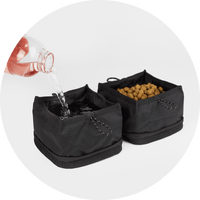
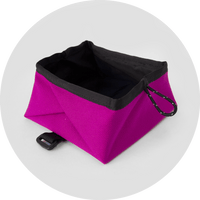
No matter how primitive or glamorous you want your camping experience to be, camping involves packing and packing efficiently can make all the difference. And having the right gear with you is important in keeping pup safe and comfortable throughout your adventure. Portable bowls are a must-have item for water and food on the go, a quality leash and properly fitted harness will help you keep your pup secure in unfamiliar surroundings. Pack a pet first aid kit in case of any accidents or injuries occur while out on an adventure. Don't forget to bring along treats and chews to reward your dog for good behavior and keep their energy and engagement levels up. Perhaps you want to try a dog backpack that allows your pup to carry their own essentials and lighten your load during hikes. Here’s a list of essential items we suggest packing for your pup:
Food + portable Bowls / slow feeder
Treats, chews + any meds as needed
Pet first aid kit
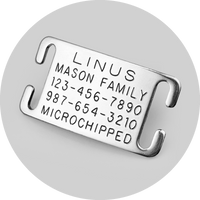
Leash, harness, collar + ID tag with updated contact info
20-50 ft tie-out rope
Outdoor pet mat, towels, blankets
Toys
Activity-specific accessories like dog backpack, life jacket, booties, etc.
Poop bags + trash bags
Preparing Pup Ahead of Your Camping Trip
Before heading on your camping trip with Beest, it's important to make sure they are ready for the great outdoors, such as being up-to-date on vaccinations and having flea and tick prevention. Additionally, have an emergency contact written down and tell them your trip details and where you will be in case of any unexpected situations. It’s also good to plan the activities for you and your dog to do on your trip so you can prepare accordingly. For example, if there’s an activity that you or your pup wish to try for the first time, we suggest simulating the experience ahead of time and/or make arrangements to have others on your trip to guide and help you.
If it’s your first time camping with pup, do a test run by setting up a tent with your dog in your backyard, living room, or nearby campsite. This will get them used to the sounds and feel of being in and around a tent, and the familiar environment will help get them comfortable more quickly. You can start with just the tent, then gradually introduce other camping gear like sleeping bags, lanterns, and even camping food to make the experience feel more authentic, while gauging your dog’s comfort level and making necessary adjustments. By practicing camping at home and taking the steps to prepare your dog for the adventure ahead, you can ensure keeping your pup safe and happy on a real camping trip.
Establishing Ground Rules
Once you arrive at your campsite, all the new smells, sounds and spots will be exciting for your pup to explore, but can be overstimulating at the same time. Having some ground rules and boundaries around your temporary outdoor abode will help establish consistency and make your overall camping experience safe and more enjoyable.
Have a designated potty area for your dog (if your campsite doesn’t have one) and determine what the site's proper waste disposal is to maintain cleanliness for you and other campers and to respect the environment.
Provide your pup with a designated sleeping, eating/drinking and play area, just like they have at home.
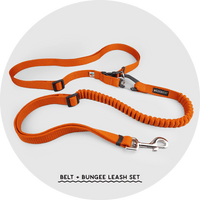
Consider using a longer tie-out rope to keep your dog safely tethered within your campsite with some room to roam. Having a hands-free leash can also come in handy for keeping pup on your side while setting up, cooking or going for potty breaks.
Keep their food and water bowls where they can easily access them. If you have a busy pup, keeping them occupied and entertained with their slow feeder or food puzzle will help curb any unwanted behavior such as excessive barking or destroying of gear.
Exploring The Great Outdoors with Beest
From sleeping in a tent in nature and cooking and eating food outside, to hanging out around a campfire and stargazing at night… camping offers such a unique and authentically enriching experience that we simply can’t get from our daily routine. And a great way to magnify this wonderful camping experience is to build some fun activities into your trip. Here are some activity ideas while camping with pups:
Hiking
Walking / running
Beach picnic
Swimming
Canoeing / kayaking
Playing fetch
Scavenger Hunt
Training / agility exercise
Photo / Video-graphing
Whether it’s making quick stops to explore different spots along the way to and from your campsite, or planning for a long hike or beach day while you’re camping, visiting new places, sniffing new smells and creating new experiences all help nurture growth in us humans and our furry companions alike. And doing it together is one of the most magical and natural ways to build our special bond with our Beests. Again, planning for dog-friendly trips and activities can take time and research but you won’t regret it once you’re having the best time of your lives together!
Camping with your Beest is an enriching and memorable experience. By choosing the right campsite, preparing your dog adequately, and planning fun activities throughout your trip, you can have a wonderful bonding experience. Remember to come prepared and plan ahead so you can ensure your dog’s safety. Happy Camping! 🏕️
Wildebeest creates everyday essentials that help you build that special bond, share adventures big & small and make amazing memories with your Beest. We'll be right there every step of the way, with our gear & Wild4Life Warranty in tow, supporting you & Beest all throughout the lifetime of your companionship!

How to Prepare Your Dog For 4th of July Fireworks
For some dog parents, 4th of July or New Year’s Eve may not always feel all festive and fun. Instead the thought of sitting through these holidays with fireworks or loud noises can cause some worry and anxiety especially with our dogs around.
According to Science Direct, about 40% of dogs have a fear of loud sounds including fireworks and thunderstorm that cause severe anxiety. Symptoms that you may notice are flattened ears, shaking / trembling, panting, vocalizing (barking, whining, howling), clinging to you, or hiding in a certain area of the house. Once the first “pop” goes off, either the sound or smell will trigger your dog’s “fight or flight” to kick in, resulting in them panicking. Training your dog as early on as possible to overcome these fears can keep your dog safe and healthier in the long run.
Here are some tips that you can try to help work through loud noises with your dog.
Desensitizing your dog to firework or loud noises
Find a safe and enclosed space to do your desensitization training. Using a leash in a bigger space can minimize the potential risk of having a dog on the loose.
Introduce your pup to positive thoughts like “fun” instead of fear when they hear a loud noise or “pop” and reward with a treat they find valuable
Try playing firework videos or thunderstorm videos on a low volume level. The volume should be loud enough for your dog to hear yet low enough to not send them in a panic and then reward them with a high value treat / toy or with praise.
Take it to the next step. Once they are comfortable with a low level volume, try leaving them alone and raising the volume slightly each time. Reward with positive reinforcement everytime.
Stay consistent, have a short training session daily, make a weekly routine to work through your dog’s fear. The best way to overcome their phobia is to keep working through it which might take weeks or months. If you and your pup currently have a training routine already, consider adding the desensitization training onto your existing routine to build consistency.
If your dog has severe phobia, contact a trainer or vet to find the best solution for your pup. Remember that every dog is different and some pups may need customized training or other solutions.
Working through fireworks or loud noises the day of
Create a “den” like area for your dog to feel safe and comfortable during the fireworks. Ensure the windows are closed and your dog has their favorite comfort toy or blanket to make them as comfortable as possible.
Play white noise in the background to help soothe and relax your dog during fireworks. You can try having a fan on, air purifier, radio or dog music station, or TV noise to drown out the sounds of the fireworks going off.
Make sure to take your dog(s) on a long walk before the fireworks start or tire them out during the day with training, stimulating toys and puzzles, or even an early playdate with a friend.
Feed your dog early before the fireworks as this might help with their anxiousness and will make them feel a little more at ease with food in their stomach.
Praise your dog through the fireworks. Try to do a training session, a snuffle mat, or a lick mat to help destress their anxiousness. This will help with keeping them calm and mentally stimulated which will eventually tire them out.
Try calming methods such as CBD treats, calming chews, hemp oil or a thunder shirt or wrap. Make sure to test these beforehand to ensure they are effective and won’t give your pup any reactions or cause them more anxiety.
If you think or know your dog will have a bad reaction to the fireworks, keep them away from the firework shows and stay indoors. Don’t leave your dog alone, try to make plans to stay at home with them or call a sitter / friend to stay home with them to help keep them calm and comforted.
Remember to stay calm yourself. Your dog feeds off of your energy too so if you feel anxiety or panic, your dog will probably feel those senses as well.
Prepare for being outdoors with your dog with fireworks
According to the AKC, holidays like 4th of July, are when the highest number of dogs go missing due to fireworks. As a responsible pet parent, consider leaving your dog at home if you're unaware of how your dog will react if you’ll be taking them out and about. Be prepared for the unexpected, here are some things to keep in mind:
Make sure your dog has proper ID with your contact info in case they get panicked or startled and run off. If your dog is microchipped, make sure to have their chip number on hand.
If you use a tracker, attach the device to their collar securely and make sure it’s working and up-to-date in case you need to track their location.
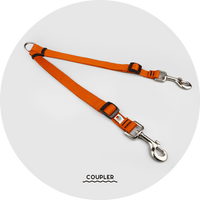
Use a double leash or leash up your harness and collar together to keep pup secure and close even if they are suddenly spooked.
Make sure your dog’s gear is safely secured and fitted well so they can’t escape or squeeze out of their gear.
Let your group know what to do incase of a situation where your dog runs away. Have a physical photo of your pet and have a plan on where to look and what kind of hiding spots your dog likes.
Keep pup close and check in on them often throughout your outing to make sure they are doing okay.
If your dog happens to run off, call your local animal control agencies to check and notify. If they are microchipped, American Kennel Club also has a AKC Reunite Program that will have live agents available 24/7 to help notify you if your dog is found. Checking or posting on your neighborhood groups on Facebook or Nextdoor is another option to consider.
Whether you're looking for solutions on how to get through the firework holidays or wanting to overcome your dog’s phobia of loud noises completely, we’re certain that with patience, consistency, and counter-conditioning training, you and your dog will be able to do so together.
Stay safe and Happy training, Beesties!
Wildebeest creates everyday essentials that help you build that special bond, share adventures big & small and make amazing memories with your Beest. We'll be right there every step of the way, with our gear & Wild4Life Warranty in tow, supporting you & Beest all throughout the lifetime of your companionship!
Wildebeest's Guide to Dog-Friendly Summer Activities
Here are some of our favorite warm-weather activities for you & beest to enjoy together. Get out there and soak up the sun, teach ‘em a new skill, and explore while the days are longer.