





Wildebeest Guides

Fall has a way of changing the walk before you have even made it to the door. A little drizzle, a little wind, darker mornings and an earlier sunset... and suddenly your usual routine needs a bit more thought.
But a damp forecast or shorter days don't have to mean a completely skipped day outside. For many dogs, a shorter, well-prepared walk can still offer the fresh air, movement, sniffing, and quality-time with you they love. The key is to check the conditions, notice what your dog is telling you, and keep it simple when the weather calls for it. Remember, your dog walks should be fun, not stressful!
Whether you are strolling around the block, taking the long way home, or planning a weekend trail day, here are a few ways to make fall outings feel safer, more comfortable, and a little more enjoyable for everyone.
Know your dog’s comfort level
Different animals experience wet or chilly weather in different ways. Your dog's size, age, breed, health, coat and individual preference can all affect how comfortable they feel outside. And some dogs may especially appreciate a little extra protection when it is cold, windy, or rainy.
Before heading out, consider the full picture: temperature, wind, rain intensity, the kind of ground you will be walking on, and how long you plan to be outside. Then, once you are moving, let your dog help guide the plan.
Signs your dog may be too cold or uncomfortable can include shivering, whining, slowing down, lifting their paws, looking for shelter, seeming anxious, or trying to turn back toward home. If you notice those cues, it is time to shorten the outing and warm up indoors. A brief, unhurried walk with lots of good sniffing can be just as worthwhile as a longer route on a perfect-weather day.
A layer for changing forecasts
For dogs who tend to get chilly, dislike being soaked (or you don't want them getting soaked), or need a little help blocking wind or rain, a well-fitting outer layer can make all the difference. Notice what helps your dog stay comfortable enough to enjoy their time outside.
When choosing an outerwear for your dog, look for a comfortable fit that allows full movement through the shoulders and legs, stays secure without rubbing or slipping, and is easy to put on before a quick walk. A waterproof/water-resistant exterior can help block the rain and wind, while a soft lining may provide extra comfort on colder days. It is also helpful to choose a jacket with reflective details for the darker morning and evening walks that come with fall.
For dogs who benefit from a weather-ready layer, our All Weather Jacket is made with a waterproof outer shell, a soft micro-fleece lining, reflective details for lower-light walks, and an adjustable storm collar for added coverage when wind or rain picks up. It is designed to secure comfortably at the neck and belly, so dogs can keep moving naturally.
As always, check in with your dog throughout the walk. If they seem restricted, too warm, or uncomfortable, it's okay to head home, remove the layer, and adjust your plan for the day.
Keep a rainy day kit by the door
A little preparation can make wet-weather walks feel much less like a production. Consider creating a small, grab-and-go station near your pup's leash so you are ready when the rain lets up—or when the dog gives you that look.
Your Fall season out-the-door checklist:
Leash and a properly fitted collar or harness
Poop bags and favorite treats in a treat bag
A towel for paws, belly, and muddy splashes
Paw wipes or a damp cloth for quick cleanups
A weather-ready outer layer if your dog benefits from one
Water + portable bowl for longer walks or active outings
A charged phone
Reflective or light-up accessories for low-light walks
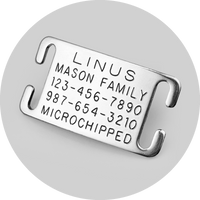
Updated, readable ID tags
Once you are back home from your walk, take a moment to clean and dry your dog’s coat, belly, and paws—especially between the toes. It is a small ritual that can help keep mud from taking over the house and gives you a chance to check for debris, irritation, or anything else that doesn't belong in your home.
Make visibility part of the routine
Fall is not only about rain; it is also about having less daylight to work with. If your usual walk happens early in the morning, at dusk, or after work, a few visibility-minded habits can come in handy.
You may consider sticking to routes with good lighting and familiar sidewalks. Stay aware of your surroundings, bikes and cars, and make it easier for others to spot you and your dog with reflective or light-up details. The reflective accents on the All Weather Jacket are a helpful extra layer of visibility for those darker walks.
A quick pre-walk check can become part of your routine:
Is the route well-lit and comfortable for both of you?
Do you have what you need to be seen in low light?
Are your dog’s ID tags up to date and easy to read?
These small steps help you head out feeling prepared instead of rushed.
Taking it to the trail
For those of you who love a bigger outing, fall can be a beautiful season for hiking. Cooler air, quieter trails, and a whole new world of seasonal smells can make even a familiar environment feel special.
A rainy trail day does not need to be an epic expedition to count. Sometimes the perfect adventure is a shorter loop, a new patch of woods to sniff, and a warm towel waiting in the car. Just be mindful that rain can make trails muddy, slippery, and harder to navigate, so a familiar, shorter route is often a better choice than a long or technical hike. Most importantly, the goal is to share a good day outside at your dog’s pace.
A few things to check before you head out:
Does the trail allows dogs?
Are leashes are required?
Any weather-related closures or unsafe conditions to consider?
Is my phone fully charged?
For a wet-weather hike, bring:
Water for both of you, even on cool days
Waste bags, treats, and a charged phone
A towel for the car or post-hike cleanup
A rain / wind-ready layer for dogs who need one
A plan to turn around early if conditions change
A offline map of your hiking trail downloaded
A few fall safety reminders
Fall brings a few extra things to keep an eye on during neighborhood walks and outdoor adventures. Mushrooms can be more common in wet weather, and because it is difficult to tell which wild mushrooms are safe, it is best to keep dogs from eating any of them. Contact your veterinarian immediately if you think your dog has ingested a wild mushroom or another potentially toxic substance.
During low-visibility times it's a good idea to stay alert for the safety of both you and your dog. Keep your phone and ear buds in your pocket and consider having your eyesight and hearing available.
Most importantly, trust your read of the day. There will be mornings for puddle splashing and long, misty walks—and there will be others when a quick potty break followed by a puzzle toy, a little training, or a cozy indoor sniff game is the better choice.
Rainy weather does not have to put an end to you and your dog’s favorite rituals. With a few simple tools, a flexible plan, and attention to how your pup is feeling, you can make room for the good stuff: fresh air, new smells, muddy paws, and the quiet satisfaction of coming home together.
From misty neighborhood loops to breezy trail days, when rain or wind calls for an extra layer, a weather-ready jacket can be a simple way to help some dogs stay comfortable and confident outside. The Wildebeest All Weather Jacket is made for those changing-forecast days, with thoughtful protection from the elements so you and your dog can keep enjoying your everyday adventures—whatever the season brings.

End-of-Summer Routine Reset for Your Dog
As summer winds down, the rhythm of home starts to change. Mornings get earlier. Calendars fill up. School drop-offs, commutes, and packed workdays return.
For dogs, those small changes can feel big. After a season of later wake-ups, more people around, and spontaneous daytime adventures, a suddenly quieter house can take some getting used to.
The good news: you do not need to overhaul your dog’s life to help them settle into a new season. A few predictable rituals can make the transition feel steadier—for them and for you.
Start the shift gradually
If your household schedule is about to change, begin easing into it before the first truly busy week.
Try moving breakfast, walks, and departure times a little closer to your fall routine over several days. If your dog will be spending more time home alone, practice short periods of independence while you are still nearby: step out for coffee, run an errand, or spend time in another room.
For dogs who already see their crate as a comfortable, positive place to rest, it can also be a helpful part of that transition. A crate is not the right fit for every dog or every household, but it can offer some dogs a familiar, quiet space while the home is empty or extra busy. If you are new to crate training—or looking to make the crate feel more like a retreat than a requirement—our Guide to Crate Training can help you get started.
The goal is not to make every day identical. It is simply to give your dog a few familiar touchpoints they can count on, even when the house feels different.
Make mornings simple & consistent
Busy mornings are rarely the moment for a long adventure, but they can still include connection.
A quick loop around the block, time to sniff a favorite patch of grass, or a few minutes of low-key play can help your dog start the day with attention and movement before things get hectic. Keeping your walk essentials in one place—leash, bags, treats, keys—can make that small ritual easier to protect when everyone is rushing out the door.
Think of it less as adding another task to the morning and more as creating a reliable “we’re in this together” moment before the day begins.
Of course, not every dog is adjusting to an empty house. If you work from home, a predictable morning walk can help draw a gentle line between home time and work time—before meetings, deliveries, and screen time take over. And for dogs lucky enough to join their person at the office, a calm walk before heading in can help them arrive settled and ready for their own version of the workday.
Let the evening walk be an anchor
At the end of a full day, the evening walk can become one of the most grounding parts of your dog’s routine.
Late-summer evenings are often a little cooler and quieter, offering a welcome chance to slow down after school, work, and everything in between. Rather than treating the walk as the final item on a long to-do list, try making room for your dog to set the pace sometimes. Take the longer route. Pause for the interesting smells. Let the walk be a reset for both of you.
For some dogs, that predictable after-work or after-dinner outing can be especially comforting: their people are home, the day is winding down, and their favorite routine is still right where they left it.
On weekends, when the calendar leaves a little more room to breathe, consider making space for a longer shared ritual, too. Maybe that means an early trip to the beach, a slow neighborhood coffee walk, an outing to a dog-friendly park, or time with a few well-matched dog friends. It does not need to be an elaborate adventure—just a chance to trade the weekday rush for time together, at your dog’s pace.
Create a calmer homecoming
How you return home matters, too.
A big reunion may feel exciting, but a calm greeting can help make arrivals and departures feel more ordinary. Put your things down, say hello, head outside for a walk or offer a little one-on-one attention. Over time, your dog learns that the day may change, but you always come back—and there is usually something good waiting on the other side.
Keep the rituals that matter
The back-to-school season does not have to mean less connection with your dog. It may just look a little different than it did in July.
A consistent morning hello. A favorite treat before you leave. An unhurried evening walk around the neighborhood. A weekend outing with nowhere to be afterward. These small rituals add up, giving dogs a sense of comfort while the world around them gets busier.
Here’s to a gentler transition into fall—and to taking the long way home whenever you can.
Make the everyday walk easier
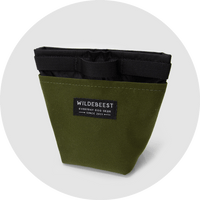
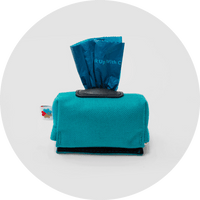
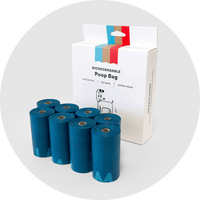
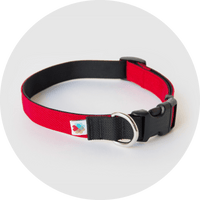
A good routine starts with the things you reach for every day. Keep your dog walking essentials - Collar or Harness, Leash, Poop Bags - close at hand, stock the Treat Pouch with pup's favorite snacks and make it simple to head out the door for those small, steady moments together.

Staying Grounded with Dogs & Routine
When the world feels loud, unpredictable, and overwhelming, dogs quietly pull us back to center. Their routine, steady presence, and simple needs can become a powerful anchor in times of turmoil, especially when we intentionally weave them into our daily lives with thoughtful habits and well-designed gear.
As writer Caroline Knapp observed, “Fall in love with a dog, and in many ways, you enter a new orbit, a universe that features not just new colors but new rituals, new rules, and a new way of experiencing attachment.” This “new orbit” is where many dog parents find calm when everything else feels uncertain.
The Grounding Power of Routine With Your Dog
Dogs thrive on predictability, and their need for consistent routines can gently pull us into healthier rhythms too. Morning walks, mealtimes, play sessions, and evening wind‑down rituals give structure to the day when our own schedule or emotions feel scattered.
A morning walk forces us to step outside, breathe fresh air, and move our bodies, even on days we’d rather hide under the covers.
Scheduled training or play sessions pull us away from doom‑scrolling and back into the present moment with our dogs.
Evening snuggle time becomes a cue to slow down, put the phone away, and actually rest.
Professional trainers often emphasize the emotional value of dogs in tough times. One trainer, Sarah Dixon, put it this way: “I have found that when you are deeply troubled, there are things you get from the silent devoted companionship of a dog that you can get from no other source.” That “silent companionship” is often wrapped in everyday routine: the leash in your hand, the harness clicking into place, the familiar route around the block.
How the Right Gear Supports Routine
Having reliable, comfortable gear makes it easier to show up for those daily rituals, even when your motivation is low.
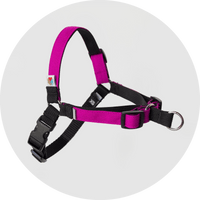
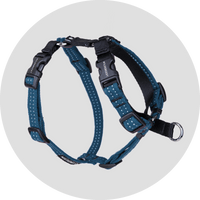
No Pull Harness: A secure, well‑fitting harness that doesn’t rub or restrict movement turns “I should walk the dog” into “I get to walk with my dog.” No pulling, no wrestling, just a quick clip‑in and go.
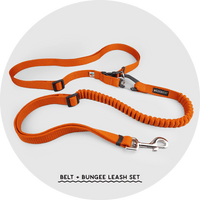
Everyday Leash: A sturdy leash with a comfortable handle means you’re not distracted by rope burn or tangled webbing and can focus on connection instead. A hands-free leash is a great addition to your morning coffee stroll or jogging with pups.
Good Treat Pouch: A treat pouch stocked with high‑value snacks at the door makes it effortless to reinforce good behavior on the fly and keep walks calm and rewarding for both of you. Features like magnetic closure make accessing treats quick and easy, making it perfect for training sessions.
When gear is intuitive and ready to grab, you remove friction between intention and action. That matters a lot on the hard days.
Companionship in Turbulent Times
Emotional turbulence—whether it’s global news, personal stress, or big life changes—can make us feel untethered. Dogs, with their steady affection and present‑tense awareness, have a remarkable way of tethering us back.
They don’t ask us to explain our emotions. They simply:
Nudge us for a walk when we’ve been sitting in our thoughts too long
Rest their head on our lap during anxious evenings
Bring us their favorite toy, inviting us into a few minutes of pure, uncomplicated play
Dog professionals see this every day in their clients. One dog walker described it this way: “When I’m out with a dog, even on my most stressful days, the world narrows to footsteps, breathing, and the sound of their paws on the path. It’s like a moving meditation we share together.” This kind of shared presence is a powerful antidote to mental noise.
Turning Walks Into Moving Meditation
The gear you choose can help transform ordinary walks into small daily rituals of grounding:
Clip on pup’s Harness and pause for a breath together before you step outside.
Hold your Leash with intention—feel the texture in your hand, notice the gentle connection as your dog looks back at you.
Use your Treat Pouch to reward check‑ins, loose‑leash walking, and calm behavior, turning the walk into a quiet dialogue instead of a tug‑of‑war.
These little moments of mindfulness, repeated day after day, add up. They don’t make the outside world less chaotic—but they help you carry that chaos with more resilience.
Why Functional Accessories Matter More Than “Just Looks”
In difficult seasons, the last thing you need is gear that adds frustration: harnesses that are hard to adjust, leashes that hurt your hands, treat bags that flop around or are impossible to open when you really need them.
Thoughtfully designed, functional accessories do more than look good. They:
Reduce friction: Quick‑clip hardware and intuitive adjustments mean you’re out the door faster, with fewer “I can’t deal with this” moments.
Improve safety: A secure harness and reliable leash give you confidence in busy or unpredictable environments.
Support training and calm: Easy‑access treats help you redirect your dog from triggers and reinforce calm behavior consistently.
Provide a peace of mind: Your mind is more at ease knowing your gear comes from a trusted company who can provide necessary support throughout the lifetime of your gear.
For example, pairing a No Pull Harness with a Hands‑Free Leash makes it easier to keep your shoulders relaxed and your posture open, even when your mind is racing. Add a Treat Pouch stocked with your dog’s favorite rewards, and you’re set up to turn worrying energy into focused connection.
Integrating Your Dog Into Your Self‑Care
Self‑care is often framed as solo: journaling, baths, meditation apps. But for dog parents, some of the most powerful grounding practices are shared with our dogs.
Consider weaving in rituals like:
“Sunrise loop” walks: Clip on your Harness + Leash and walk the same short route every morning, noticing tiny changes in the light, the season, your dog’s mood.
“Decompression walks”: On stressful days, choose a quiet route, keep your Leash a bit longer (where it’s safe), and let your dog sniff freely while you focus on your breathing.
“Treat‑and‑breathe breaks”: Keep your Treat Pouch nearby while you work; once an hour, step away, cue a simple behavior (sit, touch, down), reward, and take three slow breaths with your dog.
These small, repeatable practices can become emotional life rafts. They don’t demand big time blocks or perfection—just your presence and a willingness to show up for your dog and yourself.
Inviting More Grounded Moments With Your Dog
You can’t control the news cycle, the economy, or many of life’s twists and turns. But you can control how often you step outside with your dog, and choose to be present for ten minutes at a time.
If you’re ready to turn your daily dog time into a calming ritual, start by simplifying your setup:
Explore our Collars + Harnesses designed for comfortable, secure, all‑day wear.
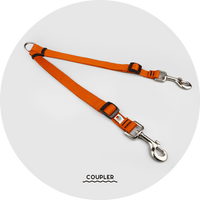
Pair them with our Leashes + Baggie Holders that keep you connected without compromising your comfort.
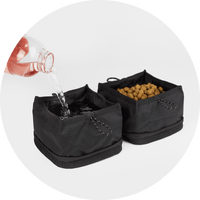
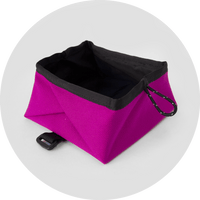
Add Treat Pouches + Portable Bowls so you’re always ready to reward connection, calm, and check‑ins.
In a world that often feels unsteady, your dog is already offering you a routine, a relationship, and a reason to step outside and breathe. The right accessories simply make it easier to say yes.
References
Caroline Knapp, “Pack of Two: The Intricate Bond Between People and Dogs.”
Sarah Dixon, quoted in “46 Incredible Quotes About Dog Training to Motivate You,” Sierra Delta.
Various professional reflections and quotes compiled in online collections of trainer and dog‑walker insights.
https://embroly.com/blogs/news/dog-training-quotes
https://www.dogwalkeretc.com/dogwalkeretcblog
https://hidemont.com/blog/post/essential-accessories-for-active-dogs
https://www.pawsandreflect.blog/p/a-running-list-of-favorite-dog-ownership-quotes
https://dogistry.com/blogs/news/why-your-dog-s-gear-matters-how-the-right-accessories-improve-walks-safety-style
https://www.dogquotations.com/behaviour-and-training.html
https://theexceptionaldogshop.com/blogs/featured-articles/using-accessories-to-create-positive-associations
https://warriorcanineconnection.org/handpicked-by-wcc-dog-quotes-we-love/
https://gonetothedogs.co/blogs/blog-posts
https://www.sierradelta.com/blog/46-incredible-quotes-about-dog-training-to-motivate-you
AI was used in writing this blog article.