






Wildebeest Guides

Staying Grounded with Dogs & Routine
When the world feels loud, unpredictable, and overwhelming, dogs quietly pull us back to center. Their routine, steady presence, and simple needs can become a powerful anchor in times of turmoil, especially when we intentionally weave them into our daily lives with thoughtful habits and well-designed gear.
As writer Caroline Knapp observed, “Fall in love with a dog, and in many ways, you enter a new orbit, a universe that features not just new colors but new rituals, new rules, and a new way of experiencing attachment.” This “new orbit” is where many dog parents find calm when everything else feels uncertain.
The Grounding Power of Routine With Your Dog
Dogs thrive on predictability, and their need for consistent routines can gently pull us into healthier rhythms too. Morning walks, mealtimes, play sessions, and evening wind‑down rituals give structure to the day when our own schedule or emotions feel scattered.
A morning walk forces us to step outside, breathe fresh air, and move our bodies, even on days we’d rather hide under the covers.
Scheduled training or play sessions pull us away from doom‑scrolling and back into the present moment with our dogs.
Evening snuggle time becomes a cue to slow down, put the phone away, and actually rest.
Professional trainers often emphasize the emotional value of dogs in tough times. One trainer, Sarah Dixon, put it this way: “I have found that when you are deeply troubled, there are things you get from the silent devoted companionship of a dog that you can get from no other source.” That “silent companionship” is often wrapped in everyday routine: the leash in your hand, the harness clicking into place, the familiar route around the block.
How the Right Gear Supports Routine
Having reliable, comfortable gear makes it easier to show up for those daily rituals, even when your motivation is low.
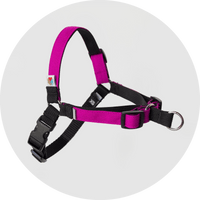
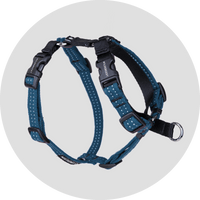
No Pull Harness: A secure, well‑fitting harness that doesn’t rub or restrict movement turns “I should walk the dog” into “I get to walk with my dog.” No pulling, no wrestling, just a quick clip‑in and go.
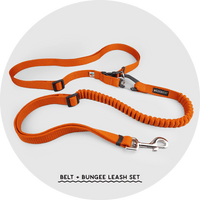
Everyday Leash: A sturdy leash with a comfortable handle means you’re not distracted by rope burn or tangled webbing and can focus on connection instead. A hands-free leash is a great addition to your morning coffee stroll or jogging with pups.
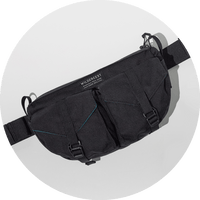
Good Treat Pouch: A treat pouch stocked with high‑value snacks at the door makes it effortless to reinforce good behavior on the fly and keep walks calm and rewarding for both of you. Features like magnetic closure make accessing treats quick and easy, making it perfect for training sessions.
When gear is intuitive and ready to grab, you remove friction between intention and action. That matters a lot on the hard days.
Companionship in Turbulent Times
Emotional turbulence—whether it’s global news, personal stress, or big life changes—can make us feel untethered. Dogs, with their steady affection and present‑tense awareness, have a remarkable way of tethering us back.
They don’t ask us to explain our emotions. They simply:
Nudge us for a walk when we’ve been sitting in our thoughts too long
Rest their head on our lap during anxious evenings
Bring us their favorite toy, inviting us into a few minutes of pure, uncomplicated play
Dog professionals see this every day in their clients. One dog walker described it this way: “When I’m out with a dog, even on my most stressful days, the world narrows to footsteps, breathing, and the sound of their paws on the path. It’s like a moving meditation we share together.” This kind of shared presence is a powerful antidote to mental noise.
Turning Walks Into Moving Meditation
The gear you choose can help transform ordinary walks into small daily rituals of grounding:
Clip on pup’s Harness and pause for a breath together before you step outside.
Hold your Leash with intention—feel the texture in your hand, notice the gentle connection as your dog looks back at you.
Use your Treat Pouch to reward check‑ins, loose‑leash walking, and calm behavior, turning the walk into a quiet dialogue instead of a tug‑of‑war.
These little moments of mindfulness, repeated day after day, add up. They don’t make the outside world less chaotic—but they help you carry that chaos with more resilience.
Why Functional Accessories Matter More Than “Just Looks”
In difficult seasons, the last thing you need is gear that adds frustration: harnesses that are hard to adjust, leashes that hurt your hands, treat bags that flop around or are impossible to open when you really need them.
Thoughtfully designed, functional accessories do more than look good. They:
Reduce friction: Quick‑clip hardware and intuitive adjustments mean you’re out the door faster, with fewer “I can’t deal with this” moments.
Improve safety: A secure harness and reliable leash give you confidence in busy or unpredictable environments.
Support training and calm: Easy‑access treats help you redirect your dog from triggers and reinforce calm behavior consistently.
Provide a peace of mind: Your mind is more at ease knowing your gear comes from a trusted company who can provide necessary support throughout the lifetime of your gear.
For example, pairing a No Pull Harness with a Hands‑Free Leash makes it easier to keep your shoulders relaxed and your posture open, even when your mind is racing. Add a Treat Pouch stocked with your dog’s favorite rewards, and you’re set up to turn worrying energy into focused connection.
Integrating Your Dog Into Your Self‑Care
Self‑care is often framed as solo: journaling, baths, meditation apps. But for dog parents, some of the most powerful grounding practices are shared with our dogs.
Consider weaving in rituals like:
“Sunrise loop” walks: Clip on your Harness + Leash and walk the same short route every morning, noticing tiny changes in the light, the season, your dog’s mood.
“Decompression walks”: On stressful days, choose a quiet route, keep your Leash a bit longer (where it’s safe), and let your dog sniff freely while you focus on your breathing.
“Treat‑and‑breathe breaks”: Keep your Treat Pouch nearby while you work; once an hour, step away, cue a simple behavior (sit, touch, down), reward, and take three slow breaths with your dog.
These small, repeatable practices can become emotional life rafts. They don’t demand big time blocks or perfection—just your presence and a willingness to show up for your dog and yourself.
Inviting More Grounded Moments With Your Dog
You can’t control the news cycle, the economy, or many of life’s twists and turns. But you can control how often you step outside with your dog, and choose to be present for ten minutes at a time.
If you’re ready to turn your daily dog time into a calming ritual, start by simplifying your setup:
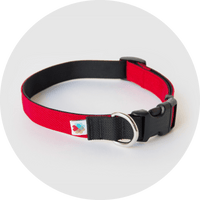
Explore our Collars + Harnesses designed for comfortable, secure, all‑day wear.
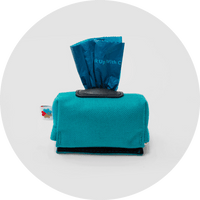
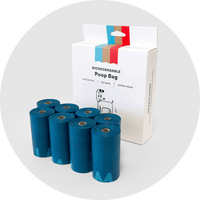
Pair them with our Leashes + Baggie Holders that keep you connected without compromising your comfort.
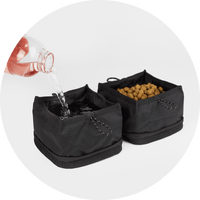
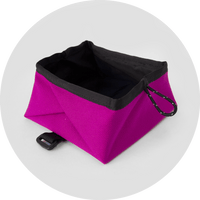
Add Treat Pouches + Portable Bowls so you’re always ready to reward connection, calm, and check‑ins.
In a world that often feels unsteady, your dog is already offering you a routine, a relationship, and a reason to step outside and breathe. The right accessories simply make it easier to say yes.
References
Caroline Knapp, “Pack of Two: The Intricate Bond Between People and Dogs.”
Sarah Dixon, quoted in “46 Incredible Quotes About Dog Training to Motivate You,” Sierra Delta.
Various professional reflections and quotes compiled in online collections of trainer and dog‑walker insights.
https://embroly.com/blogs/news/dog-training-quotes
https://www.dogwalkeretc.com/dogwalkeretcblog
https://hidemont.com/blog/post/essential-accessories-for-active-dogs
https://www.pawsandreflect.blog/p/a-running-list-of-favorite-dog-ownership-quotes
https://dogistry.com/blogs/news/why-your-dog-s-gear-matters-how-the-right-accessories-improve-walks-safety-style
https://www.dogquotations.com/behaviour-and-training.html
https://theexceptionaldogshop.com/blogs/featured-articles/using-accessories-to-create-positive-associations
https://warriorcanineconnection.org/handpicked-by-wcc-dog-quotes-we-love/
https://gonetothedogs.co/blogs/blog-posts
https://www.sierradelta.com/blog/46-incredible-quotes-about-dog-training-to-motivate-you
AI was used in writing this blog article.

Wildebeest Guide to Crate Training Your Dog
Crate training has become an important and beneficial practice among many modern-day households with dogs. As dog parents, being equipped and savvy with the basics of training such as crate training, is crucial in building a pleasant and lasting companionship with our pups.
Dogs are naturally excited and eager to learn and can easily adapt and thrive. Though starting your training early is great but no need to be afraid to teach your older dog some new tricks either. As long as you are patient and consistent, it’s never too late for your dog to learn something new, even loving to be in a crate. We’ve put together a quick guide to get you started (or freshened up) with crate training your Beest!
What is Crate Training?
Crate training involves teaching your dog to feel comfortable and secure in a crate or kennel. The crate serves as a safe space for your dog, similar to a personal den, where they can retreat and relax. Note, it's important to know that crate training isn’t about confining or punishing your dog, rather it’s about providing a positive, comfortable, and safe environment for them.
Benefits to Crate Training
Safety & Security: A crate provides a secure environment for your dog when you’re not around to supervise them. It can prevent destructive behavior and ensure they stay safe.
Housebreaking: Crates are a very effective tool for housebreaking pups, and as dogs naturally avoid soiling their sleeping area, it can be especially helpful in your potty training process.
Travel Management: Your crate-trained dog will be safer and more comfortable in their crate during road trips or stays in hotels. If your dog gets anxious in the car or in new environments, having them crated while traveling can help ease anxiety.
Stress Reduction: A crate can serve as a comfort zone for dogs, helping them to manage anxiety and stress in busy or chaotic environments. Also helping your dog to understand that being in a crate means “it's time to settle down”.
Crate Training Steps
Choosing the Right Crate: Set them up for successful crate training and anxiety prevention from the start and select the appropriate type of crate for them. Wire Crates offer good ventilation and visibility and are collapsible and easy to clean. Plastic Crates provide a more den-like feel and are often used for travel, this would be a great choice for car trips or if you plan to travel by plane. There are some great pop-up/collapsible options as well as the durable 2-part clam-shell-like types. Soft-Sided Crates are lightweight and portable, but may not be suitable for all dogs, especially those prone to chewing. The size of the crate you pick should be big enough for your dog to stand, turn around, and lie down comfortably in. Avoid choosing a crate that's too large, as it can have the opposite effect of a cozy, den-like space and work against your housebreaking training.
Introduce the Crate Positively: Make the crate a positive and inviting place, picking the right spot for it to live in, making sure it’s comfortable for your pup, and showing positive encouragement towards the crate. When finding a location for the crate in your home, place the crate in a common area, where the family spends time, such as the living room or kitchen. Adding their favorite bed or blanket inside the crate will make it more cozy and inviting for your dog. Make going in the crate a positive experience by using toys and treats. This creates a positive association with the crate and is a great way to get your dog to enter the crate if they seem intimidated by it. Remember to never force them into the crate, instead, be patient and let them explore it on their own with time.
Create a Consistent Routine: Having crate time should happen every single day, whether you are or aren’t home. Have established times set in the day where your dog has crate time and be creative with it. Feeding meals or chews that take a while in the crate is a great way to positively associate being in the crate. Try to feed your dog their meals in the crate at least once a day.
Crate Time: Once your dog is comfortable with short periods in the crate, gradually increase the time they spend in it. Try using the crate when you need to leave the house, but avoid making it a punishment. Ensure your dog has had adequate exercise and bathroom breaks before being crated and start with leaving the house or the room for 2-3 mins, come back and reward them with a high value treat, toy, or words of encouragement. Once they are comfortable, gradually extend the duration and practice consistently. Practice while you’re at home as well and take your time with this process without rushing or pushing pup’s comfort level too much. Another tip is to avoid making a big fuss when leaving or returning home, over time they should know that crate time doesn’t always mean they will get treats or attention. This helps prevent separation anxiety.
Tips for Separation Anxiety
Managing separation anxiety takes time, and progress may be slow. Be patient and consistent with your approach. If your dog whines or barks, avoid letting them out immediately. Wait until they are quiet before opening the crate. This teaches them that calm behavior gets rewarded.
Remember that gradual desensitization is key. Start with very short periods of crate time and slowly increase the time your dog spends alone in the crate. Do your best to avoid “a quick fix”, quick fixes or sudden changes can enhance the anxiety. Stick to your plan and make gradual adjustments as needed. Don’t forget to celebrate the small wins, even the smallest improvements in your dog’s behavior should be celebrated, it’s still great progress. As a last resort, if you're dealing with severe anxiety issues, seek and consult help from a professional trainer.
Crate training is an essential tool that helps dogs and dog parents thrive. It helps provide safety, comfort, and structure for your beest and with patience, consistency, and plenty of pup’s favorite treats, you can help your dog make their crate time a happy, secure and positive experience. For more training guides like this, check out our other blog posts tagged with "Training".
Happy Crate Training!
Wildebeest creates everyday essentials that help you build that special bond, share adventures big & small and make amazing memories with your Beest. We'll be right there every step of the way, with our gear & Wild4Life Warranty in tow, supporting you & Beest all throughout the lifetime of your companionship!