







Wildebeest Guides

Spring & Summer Grooming Tips for Dogs
Longer days, sunny trails, muddy paws, and a whole lot of shedding — spring and summer bring plenty of fun, but they also bring a little extra maintenance for dog parents. A simple grooming routine can help your dog stay comfortable through seasonal coat changes, outdoor messes, and warmer weather.
At Wildebeest, we know the best gear makes everyday life with dogs easier. The right brush, a reliable harness, a sturdy leash, and a handy treat pouch can turn grooming and cleanup into just another smooth part of your routine.
Why seasonal grooming matters
When temperatures rise, many dogs shed more heavily and spend more time collecting dirt, pollen, grass, and burrs on outdoor adventures. If that loose fur and debris stays put, it can lead to tangles, mats, irritated skin, and general discomfort.
Regular grooming is one of the simplest ways to help your dog feel better all season long. It also gives you a chance to check paws, ears, and skin for anything that needs attention before it becomes a bigger issue.
Your warm-weather grooming routine
Brush often, especially during shedding season. Frequent brushing helps remove loose hair before it ends up on your couch, your clothes, or tangled in your dog’s coat. Three to four times a week for 5 to 10 minutes can help soften your dog’s coat and reduce the amount of hair that is shed.
Baths should be helpful, not excessive. After a muddy park day or a sandy beach adventure, a bath can be a lifesaver. Use a gentle dog shampoo and rinse thoroughly, but don’t overdo it — too many baths can dry out the skin.
Pay attention to paws. Warm pavement, grass seeds, burrs, and all the random debris of outdoor life can make paw care especially important in spring and summer. Wipe paws after walks, check between the toes, and trim excess fur around the pads if needed.
Keep nails and ears on your radar. Active dogs still need nail trims, especially if they’re spending time on softer ground instead of hard pavement. Ears should be checked regularly too, particularly in dogs with floppy ears or those who love swimming.
Easy DIY grooming support
You don’t need a full grooming salon at home to take good care of your dog. A few simple DIY habits can make a big difference.
Try a soothing oatmeal bath for itchy skin. Finely ground oats mixed with lukewarm water can help calm dry or irritated skin after allergy-heavy outdoor days.
Make paw cleanup part of your post-walk routine. A quick rinse or wipe-down after hikes, park runs, or backyard play helps remove dirt and pollen before it gets ground into the coat or paws.
Trim nails in tiny increments. Veterinary grooming advice recommends trimming only the tip at a time and keeping styptic powder nearby in case you nick the quick.
Use a pet-safe paw balm for dry pads. Hot surfaces, rough terrain, and lots of activity can leave paw pads feeling rough. A little balm can help keep them comfortable and protected.
Keep grooming positive. Treats, praise, and calm handling help dogs learn that grooming is safe and predictable, which makes future sessions easier.
Tools that make grooming easier
A good brush that’s appropriate for your pup’s coat. For short-haired dogs, a grooming mitt or rubber brush works well. For medium- and long-haired dogs, a slicker brush and comb can help keep the coat smooth and healthy.
A good bath setup usually includes gentle pet-safe shampoo, a towel that absorbs moisture well, and a non-slip mat for the tub or shower. A handheld shower head or hose attachment can make rinsing easier.
Drying after a bath is often overlooked, but it matters. Microfiber towels are great for soaking up water fast, while a pet-specific dryer that doesn’t get too hot can speed things up.
For nail care, dog parents can use clippers and/or grinders. Clippers are fast and simple, while grinders give more control and help smooth the edges after trimming.
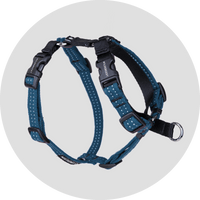
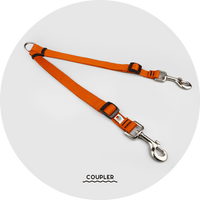
A well-fitted harness and dependable leash make it easier to handle your pup during bath time, post-walk cleanups, and quick in-and-out transitions. And because treats go a long way, keep pup’s favorite rewards close at hand for calm, cooperative grooming.
DIY grooming mistakes to avoid
Don’t rush through brushing or bathing.
Don’t use human shampoo on dogs.
Don’t trim nails too aggressively.
Don’t force grooming if your dog is stressed or panicked.
When to bring in a professional
Some dogs need extra support, especially those with thick coats, heavy shedding, mats, or skin that’s easily irritated. A professional groomer can help with coat maintenance and de-shedding, while a veterinarian can check out skin, ear, or paw issues that don’t seem to improve.
If something looks red, smelly, painful, or unusually flaky, it’s worth paying attention. Grooming should support your dog’s comfort, not cause more stress.
A simple seasonal checklist
Brush your dog regularly to manage shedding.
Bathe after especially messy outdoor adventures.
Wipe paws clean after walks and hikes.
Trim nails before they get too long.
Check ears for moisture, odor, or redness.
Keep a brush, towel, shampoo, and treats ready.
Use gear that make handling easier during grooming sessions & cleanup.
Spring and summer should feel easy, active, and fun — for you and your dog. With a few smart grooming habits and the right everyday gear, your pup can stay clean, comfortable, and ready for every trail, patio, and backyard hangout ahead!
AI was used in writing this blog article.